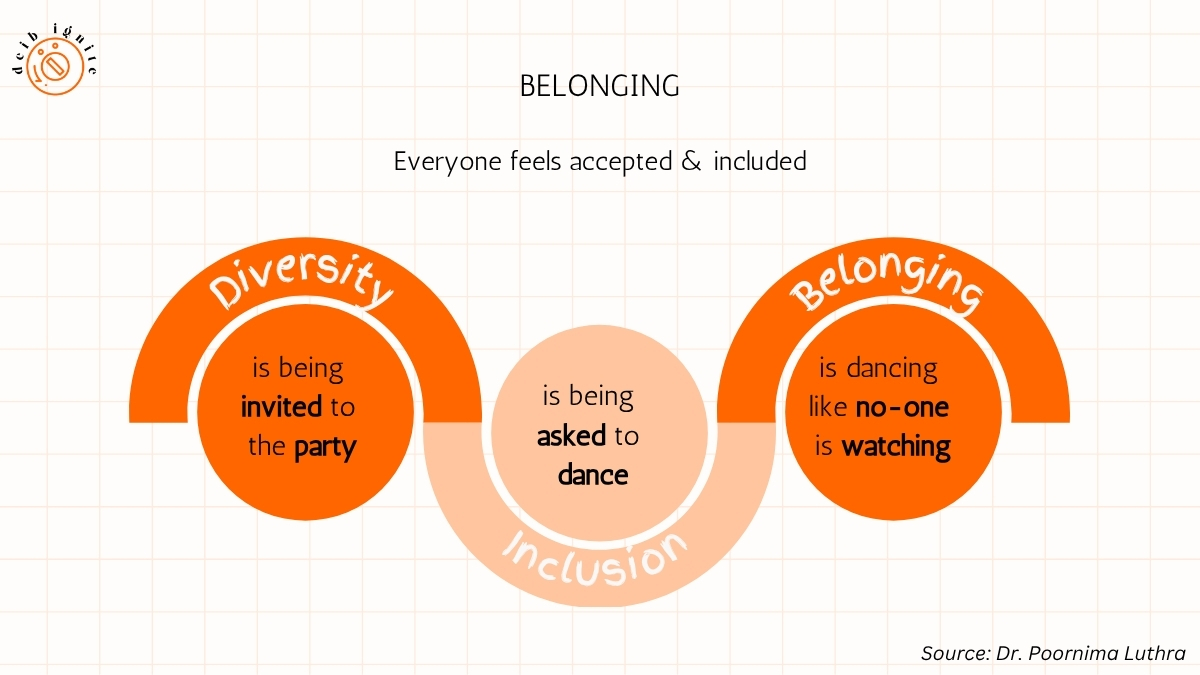

DEIB as Purpose is not a policy you implement once and forget. It is a feeling you carry every day — much like the warmth most people associate with Christmas. That holiday season brings something remarkable: people become more generous, more patient, and more connected. They look out for strangers. They give without being asked. What if that feeling never had to end? This article explores why aligning your DEIB work with deep personal purpose creates both fulfillment and lasting impact — for you, your team, and your entire organization.
DEIB as Purpose: What the Christmas Feeling Teaches Us
The Christmas feeling is, above all, a shift in how people relate to one another. It is not really about decorations or gifts. It is about generosity, hope, and a genuine desire to make others feel seen and valued. These are also the foundational values of meaningful DEIB work. Therefore, the parallel is not just poetic — it is practically instructive.
During the holiday season, people lower their defenses. They extend empathy to those outside their immediate circle. They act with a sense of collective responsibility. In contrast, for much of the year, those same instincts get buried under pressure, habit, and unconscious bias. DEIB as Purpose asks a simple but powerful question: what would it look like to sustain that openness year-round?
Furthermore, the Christmas feeling is not passive. People actively seek ways to contribute. They volunteer, donate, and check in on those who feel isolated. That active, intentional care mirrors what effective allyship and belonging look like inside organizations. Inclusion is never accidental — it is chosen, repeatedly, by people who have connected it to something they deeply value.
- Generosity during the holidays mirrors the practice of amplifying underrepresented voices in the workplace.
- Hope mirrors the belief that systemic change is genuinely possible.
- Connection mirrors the daily work of building psychologically safe teams.
- Compassion mirrors the empathy required to recognize and dismantle bias.
| Aspect | Seasonal Charity | Year-Round DEIB Advocacy |
|---|---|---|
| Duration | Weeks per year | Continuous, embedded in culture |
| Emotional Impact | Temporary warmth and goodwill | Sustained sense of meaning and belonging |
| Scope | Individual acts of giving | Systemic and structural change |
| Sustainability | Fades after the season ends | Grows stronger through consistent practice |
| Driver | Social tradition and external cues | Internal purpose and personal values |
The Journey from Inspiration to Meaningful DEIB Work
Meaningful DEIB work rarely begins with a strategy document. It begins with a moment — a personal experience of exclusion, a conversation that shifts your perspective, or the quiet realization that you have benefited from systems others cannot access. For the team at deib ignite, that journey started with exactly this kind of awakening.
Recognizing privilege is not about guilt. It is, however, about responsibility. When leaders begin to see how their own unearned advantages have shaped their path, something important opens up. That awareness becomes fuel. It transforms passive goodwill into purposeful action. Similarly, organizations that move from performative diversity statements toward genuine inclusion make that shift when leaders personally connect DEIB to their own values — not just their KPIs.
The deib ignite story illustrates this progression clearly. The inspiration came first: a recognition that talent optimization and human potential are deeply tied to inclusion. Then came the frameworks, the programs, and the client partnerships. However, the foundation was always purpose. Without that, frameworks become checklists. With purpose, they become lived commitments.
The Role of Privilege Awareness
Privilege awareness is a critical step in the inclusive culture journey. It asks people to examine not what they have earned, but what they were handed — invisibly, systemically. This examination is often uncomfortable. Nevertheless, it is also liberating. Leaders who complete it move from defensiveness to curiosity. As a result, they become far more effective advocates for change within their organizations.
- Privilege awareness opens the door to authentic allyship rather than performative support.
- It helps leaders identify where systemic barriers exist — even in teams they believe are already inclusive.
- It creates the psychological foundation for sustained, purpose-driven inclusion.
DEIB as Purpose: Practical Frameworks That Turn Values into Action
DEIB as Purpose only becomes transformative when it moves from inspiration into structured, repeatable action. This is where practical frameworks make all the difference. The deib ignite 2-5-15 framework is one such tool — designed to help individuals and organizations build inclusion habits without overwhelm in just 22 hours!
Additionally, the deib ignite Active Allyship program gives teams a shared language and set of tools for showing up for one another. Allyship is not a personality trait — it is a skill. And skills can be taught, practiced, and measured. The program moves participants from awareness into action through real scenarios, structured reflection, and accountability practices.
Daily Habits That Sustain Purpose-Driven Inclusion
Purpose-driven inclusion does not happen in annual training sessions alone. It lives in daily micro-choices. Therefore, building habits around inclusion is just as important as understanding the philosophy behind it.
- Start meetings by acknowledging whose voices have not yet been heard.
- Set a weekly intention to learn something new about a colleague’s lived experience.
- Practice naming and interrupting bias when you observe it — including your own.
- Use small actions to keep inclusion front of mind without burning out.
- Celebrate small wins in allyship and belonging, not just large milestones.
Furthermore, boundary-setting is an underrated component of sustainable DEIB work. Advocates and allies who do not protect their own energy ultimately burn out. Self-care and systemic change are not opposites — they are partners. A practitioner who models self-compassion also models the psychological safety they are trying to build for others.
The Impact of Purposeful Work on People and Organizations
Purpose-driven inclusion delivers outcomes that go far beyond compliance metrics. When individuals align their DEIB work with deeply held personal values, the emotional and professional rewards are significant. Research consistently shows that people who find meaning in their work report higher engagement, greater resilience, and stronger performance. DEIB as Purpose is, therefore, also a talent optimization strategy.
At the individual level, connecting inclusion work to personal purpose creates a sense of abundance rather than scarcity. It shifts the internal narrative from “I have to do this” to “I get to do this.” That shift matters enormously. It sustains motivation through the inevitable setbacks and slow progress that come with systemic change. Moreover, it generates genuine joy — the kind that does not depend on perfect conditions.
At the organizational level, cultures built on purpose-driven inclusion outperform those driven by obligation. Teams with strong psychological safety innovate more. Leaders who model authentic allyship and belonging retain talent more effectively. Organizations that treat DEIB as a core value — not a compliance box — build reputations that attract the best people across every dimension of diversity.
Hope and Resilience as Strategic Assets
Hope is not naïve. In the context of meaningful DEIB work, hope is a disciplined practice. It means acknowledging how far there is still to go while celebrating how far we have already come. Resilient DEIB practitioners hold both truths simultaneously. They do not minimize injustice, but they also do not lose sight of progress. This balanced optimism is what allows them to keep going — and to bring others along with them.
- Hope fuels the energy needed for long-term, systemic change.
- Resilience allows practitioners to absorb setbacks without losing direction.
- Self-acceptance removes the perfectionism that often paralyzes well-meaning advocates.
- Collective optimism, when shared across a team, becomes a cultural force multiplier.
Additionally, organizations that invest in the emotional wellbeing of their DEIB advocates see better outcomes. Supporting the people doing this work — with resources, recognition, and rest — is itself an act of inclusion. According to Harvard Business Review, purpose-driven organizations consistently outperform peers on employee engagement and long-term sustainability. The evidence is clear: purpose is not soft. It is strategic.
Cultivating Abundance, Compassion, and Optimism in Your DEIB Journey
An inclusive culture journey grounded in abundance means believing there is enough recognition, opportunity, and belonging for everyone. This is a direct counterweight to the scarcity mindset that often fuels competition, exclusion, and gatekeeping. When leaders operate from abundance, they naturally create more space for others. They share credit, invite dissent, and celebrate diverse contributions.
Compassion in DEIB work means extending the same grace to others that you extend to yourself. It means recognizing that most people are doing their best with the awareness they currently have. Therefore, education and accountability can coexist with warmth. Calling people in — rather than always calling them out — tends to produce more durable change. It keeps people in the conversation rather than pushing them out of it.
Optimism, meanwhile, is the engine of the entire inclusive culture journey. It does not mean ignoring hard realities. It means choosing to believe — based on evidence, on personal experience, and on purpose — that things can genuinely get better. DEIB as Purpose is ultimately an act of optimism. It is the decision to invest in a future where everyone belongs, every single day, not just in December.
- Abundance thinking creates space for others to thrive alongside you.
- Compassion keeps DEIB conversations productive rather than polarizing.
- Optimism sustains the long-term commitment that systemic change requires.
- Together, these three qualities define what it means to live DEIB as Purpose.
Frequently Asked Questions
How does the Christmas feeling relate to DEIB as Purpose?
The Christmas feeling represents a natural shift toward generosity, empathy, and connection — the same values that underpin effective DEIB work. DEIB as Purpose asks you to carry those values beyond a single season and embed them into everyday behavior. When inclusion becomes a feeling you choose consistently — not just a seasonal impulse — it transforms from a programme into a genuine culture. That is the core parallel between the two.
Why is purpose essential for sustaining long-term DEIB efforts?
Purpose is essential because DEIB work is genuinely hard. Systemic change is slow, setbacks are frequent, and the emotional labor can be exhausting. Without a deep personal connection to why the work matters, motivation fades quickly. Purpose-driven inclusion, however, is self-renewing. It draws energy from values rather than external validation. As a result, practitioners remain engaged even when progress feels slow — because the work itself feels meaningful, not merely obligatory.
What is the deib ignite 2-5-15 framework?
The deib ignite 2-5-15 framework is a practical tool designed to build consistent inclusion habits without overwhelming people in just 22 hours and to take micro action through two minutes of daily mindfulness around bias and intention, five minutes of active reflection on decisions and interactions, and fifteen minutes per week of dedicated DEIB learning. These small investments compound into significant behavioral shifts over time. The framework makes meaningful DEIB work accessible to individuals at every level of an organization.
How can organizations cultivate a sense of belonging every day?
Organizations cultivate daily belonging by embedding inclusion into existing routines rather than treating it as a separate initiative. This means starting meetings with equity in voice, using structured frameworks like Active Allyship, recognizing micro-contributions, and creating psychological safety through consistent leadership behavior. Allyship and belonging grow when they are practiced daily — not just discussed in annual training. Purpose-driven inclusion turns these practices from policies into genuine cultural norms that people experience and value.
What is the difference between performative diversity and purpose-driven inclusion?
Performative diversity focuses on appearances — hitting demographic targets, publishing statements, and running one-off events. Purpose-driven inclusion, in contrast, is rooted in genuine values and sustained by consistent action. It involves privilege awareness, structural change, and personal accountability. DEIB as Purpose means leaders internalize inclusion as a core value rather than a compliance requirement. The result is a culture where belonging is felt by everyone — not just visible in a report. That distinction changes everything.
What is one way you can infuse the feeling of Christmas into your DEIB work this year — and carry it forward every single day?